
Celebrity
Why Robert Peston Is Not On TV Tonight: Real Reasons Behind His Absence

Introduction
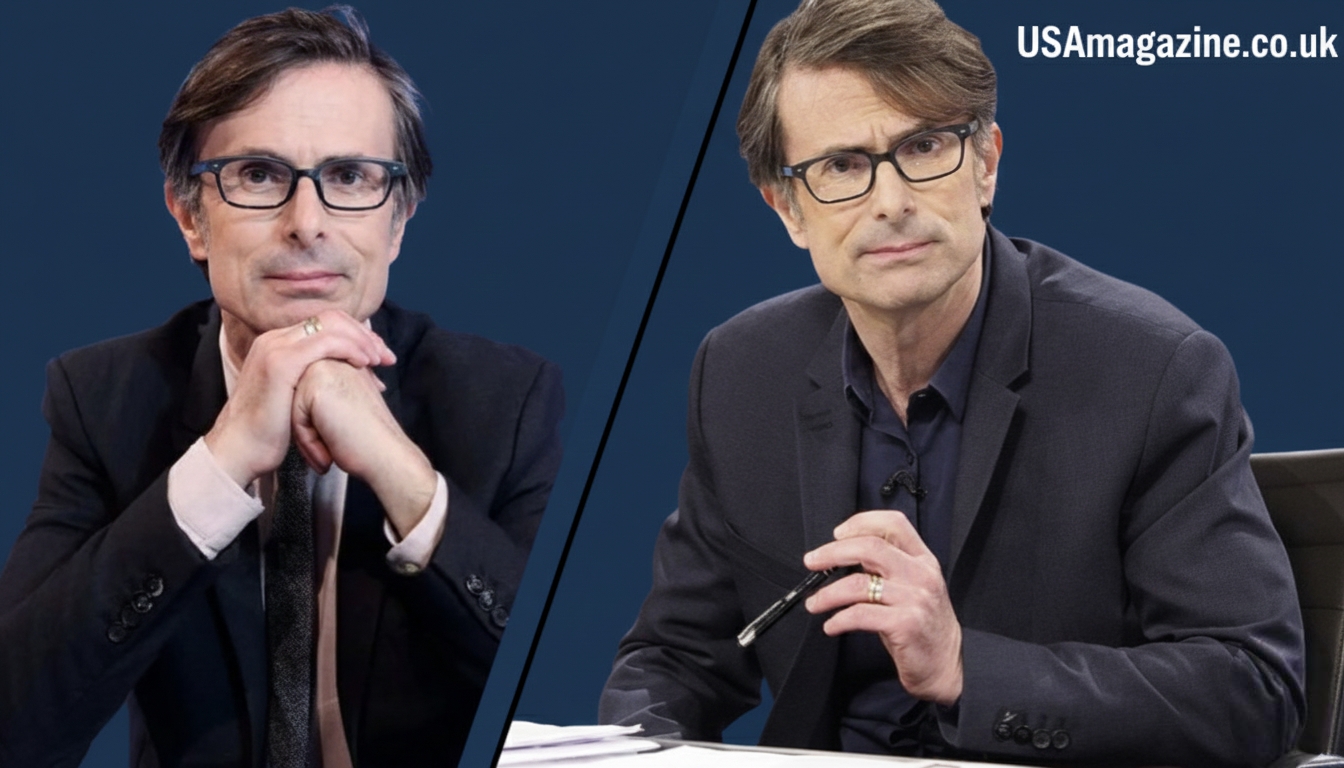
Many viewers tune into ITV fully expecting to see Robert Peston’s distinctive political show, only to be surprised when it does not appear in its usual slot. For a presenter who has become a familiar mid‑week presence, any unexplained gap naturally raises questions about whether the programme has been cancelled, moved, or affected by news events or personal circumstances.
In reality, there are several routine and practical reasons why Robert Peston may not be on television on a particular night, most of which have nothing to do with controversy or permanent changes. Understanding how ITV structures its schedule, how political programming responds to the news cycle, and how presenters balance demanding careers with health and personal life helps explain these short‑term absences.
This article looks in depth at who Robert Peston is, how his show fits into ITV’s wider schedule, the most common reasons the programme may not air on a given night, and what viewers can do to check when it will return. It also addresses frequent questions about cancellation rumours, illness, and long‑term plans, so that audiences can separate speculation from the more mundane reality of broadcast logistics.
Who Robert Peston Is
Robert Peston is a veteran British journalist who currently serves as Political Editor of ITV News and host of the weekly political discussion programme “Peston.” Before joining ITV he was best known as the BBC’s economics editor, where he became widely recognised for his reporting during the financial crisis.
At ITV, Peston combines on‑air reporting with in‑depth studio interviews, using his show to examine major political stories, interview senior politicians, and analyse policy in a more discursive format than standard bulletins allow. His reputation and style mean many viewers now associate Wednesday‑night political analysis on ITV almost entirely with his name, so his absence is quickly noticed.
Will You Check This Article: Ben Shephard Wife Illness: Facts, Journey, and Family Strength
How The Peston Show Works
“Peston” is a weekly politics show that evolved from “Peston on Sunday” into a mid‑week format, designed to provide a lively but analytical look at the big stories in Westminster and beyond. The programme typically features studio interviews, panel discussion and analysis from political journalists, supported by interactive elements such as social‑media‑driven questions.
ITV positions the show as part of its broader political offering, complementing the main news bulletins with a space for longer conversations and scrutiny. Because it is closely tie to the parliamentary calendar and major political events, its production and transmission pattern is more flexible than that of scripted entertainment series.
ITV Scheduling And Why It Changes
Television schedules are constantly adjuste to accommodate news priorities, special events, and audience patterns, and this directly affects when “Peston” appears. Late‑evening political shows are especially vulnerable to changes because they sit in slots that networks may use for breaking news, sport, or special programming.
ITV has previously reshaped its evening schedule to give more prominence to hour‑long news bulletins and major soaps, illustrating how even established programmes can be moved or occasionally droppe for the night. When such changes happen, “Peston” may simply skip a week or be shifte to a different time or date, without indicating any long‑term problem.
Routine Breaks And Parliamentary Recess
One of the most common reasons Robert Peston is not on TV on a given night is that the show is on a planned break. Political discussion programmes often pause during parliamentary recesses or quieter stretches in the political calendar, when there are fewer developments to justify a weekly high‑profile studio show.
During these breaks ITV may focus on other forms of current‑affairs coverage or standard entertainment content, resuming “Peston” when parliamentary sessions restart or when major stories re‑emerge. These gaps are part of a normal cycle rather than a sign that the series has been cancelle or that the presenter is stepping back permanently.
Live News, Elections And Big Events
Another key reason for Peston’s absence on a particular night is that large‑scale news events have taken over the schedule. When there is an international crisis, major domestic emergency, or extensive budget and economic coverage, networks often extend standard news programmes and scrap or move regular shows.
Election campaigns are especially disruptive, because broadcasters devote whole evenings to debates, results coverage and special analysis, leaving little room for the usual format. In these situations, viewers may not see “Peston” on its usual night, but equivalent or greater political coverage is still happening, just in a different structure.
Sport, Specials And Other ITV Priorities
High‑profile live events such as international football, major tournaments, or national ceremonies can also push political talk shows out of their regular slot. ITV, like other major broadcasters, often prioritises live sport because it attracts large audiences and is tie to fixed kick‑off times and broadcast rights agreements.
When these events overlap with Peston’s slot, the channel may either postpone the episode, shift it to another day or time, or drop that week’s programme entirely. From the viewer’s perspective this may look sudden, but from ITV’s standpoint it is a routine scheduling choice balancing different types of content.
Production Needs And Guest Availability
A show built around interviews with senior politicians and public figures depends heavily on guest availability and editorial planning. If key guests withdraw, or if producers decide a particular episode needs more preparation around a big announcement or policy issue, they may choose to delay or skip a week.
Behind the scenes, the team also has to coordinate studio time, technical staff and on‑location filming, any of which can be affecte by industrial disputes, logistical challenges or last‑minute changes in the news agenda. These factors rarely become public in detail, but they are a practical reason why a live or near‑live political show occasionally does not air.
Personal Time, Health And Work‑Life Balance
Like any prominent broadcaster, Robert Peston sometimes steps back from on‑air duties for rest, personal commitments, or health‑related reasons. Political journalism involves irregular hours, heavy travel and intense public scrutiny, so taking breaks is necessary to sustain a long‑term career.
Peston has previously spoken about major health challenges, including a past episode of reactive arthritis that forced him to rethink how he managed work and well‑being, although he is reporte to have made a full recovery and continues to work full‑time. When he is away now, short absences are more likely to reflect normal leave rather than a serious or ongoing illness.
Has The Show Been Cancelled?
Despite occasional rumours, there is no indication that ITV has permanently cancelled “Peston.” Recent seasons continue to air, with the programme returning in 2025 for another run featuring interviews with senior ministers and prominent political figures.
Articles that track schedule changes emphasise that Robert Peston’s absence on a given night typically reflects temporary breaks, not the end of the show. In practice, viewers usually see the programme return the following week or after a short pause tied to parliamentary or scheduling cycles.
Where To Check If Peston Is On
When viewers wonder why Robert Peston is not on TV tonight, the most reliable sources of information are official listings and the programme’s own channels. ITV’s online schedule and digital guides show whether “Peston” is listed, whether another programme has replaced it, or whether the show is on hiatus.
The show’s social media accounts and Peston’s own posts on X (formerly Twitter) often highlight upcoming guests, changes of time and special editions, giving regular viewers advance notice of adjustments. Third‑party TV guides can also be helpful, especially when they offer alerts for when the series next appears in the listings after a break.
Why His Absence Feels Noticeable
Robert Peston’s absence stands out because his show has become a familiar forum for weekly political debate, often shaping the way audiences process complex stories from Westminster. The combination of long‑form interviews and pointed analysis means viewers rely on it for clarity at times when politics can feel confusing or polarised.
When this familiar slot disappears, it can feel as though a key part of the week’s political conversation is missing, even if other news programmes are still covering the same underlying events. That emotional connection explains why relatively routine scheduling choices generate so many questions about where Peston is and when he will return.
People also like this:Who Is Izzie Balmer Partner? Inside the Personal Life of the Antiques Expert
Practical Tips For Viewers
For viewers who want to keep up with the show despite these occasional absences, a few habits can make a real difference. Adding “Peston” to a watchlist in digital TV guides or streaming apps can trigger notifications when new episodes are schedule or when the series reappears after a recess.
Following ITV’s news and Peston‑related accounts on social platforms also provides useful reminders of upcoming episodes and special broadcasts, particularly during election periods when timing can shift. Finally, checking the ITVX page for the programme gives access to recent episodes on demand, so viewers can catch up even if they miss a live broadcast
Conclusion
Robert Peston is not on TV tonight for one or more of a small number of predictable reasons: routine breaks linked to the parliamentary calendar, ITV scheduling changes, major news events, live sport, production needs, or short periods of personal time off. None of these factors currently point to a permanent cancellation of his ITV political show, which continues to appear in schedules and online platforms as part of the network’s political coverage.
For viewers, the most effective response to an unexpected absence is to check ITV’s official listings, the show’s social feeds and on‑demand platforms to see when “Peston” is next due to air. In almost every case, his missing presence on a particular night is a temporary pause in a long‑running role at the centre of UK political broadcasting, rather than a sign that he has quietly left television.
FAQs
Is Robert Peston leaving television?
There is no evidence that Robert Peston is stepping away from television; he remains ITV’s Political Editor and continues to front his weekly political show. When episodes are not broadcast, the reasons are usually scheduling‑related rather than a signal of a permanent departure.
Has the Peston show been cancelle by ITV?
Available information indicates that “Peston” has not been cancelle, with recent series and episodes still listed and available on ITV platforms. Absences on particular nights typically reflect temporary breaks, live events or major news coverage displacing the programme from its usual slot.
Could illness be why Robert Peston is not on TV tonight?
While Robert Peston has previously discussed serious health issues, reports state he made a full recovery and returned to full‑time work. Short gaps in appearances today are more often linke to normal time off or scheduling choices, rather than confirmed ongoing illness.
How can viewers know when Peston will be back?
Checking ITV’s online schedule, digital programme guides and the ITVX page for “Peston” shows when the next episode is due. Social media accounts for Robert Peston and the show itself also highlight upcoming broadcasts and any changes to the usual timing.
What should viewers watch when Peston is not on?
On nights when “Peston” does not air, ITV and other channels still provide extensive political and news coverage through extended bulletins, special reports and election programmes. Viewers can also watch previous “Peston” episodes on demand via ITV’s streaming services to keep up with recent interviews and analysis.
Who Is Elsie-Rose Thomas?
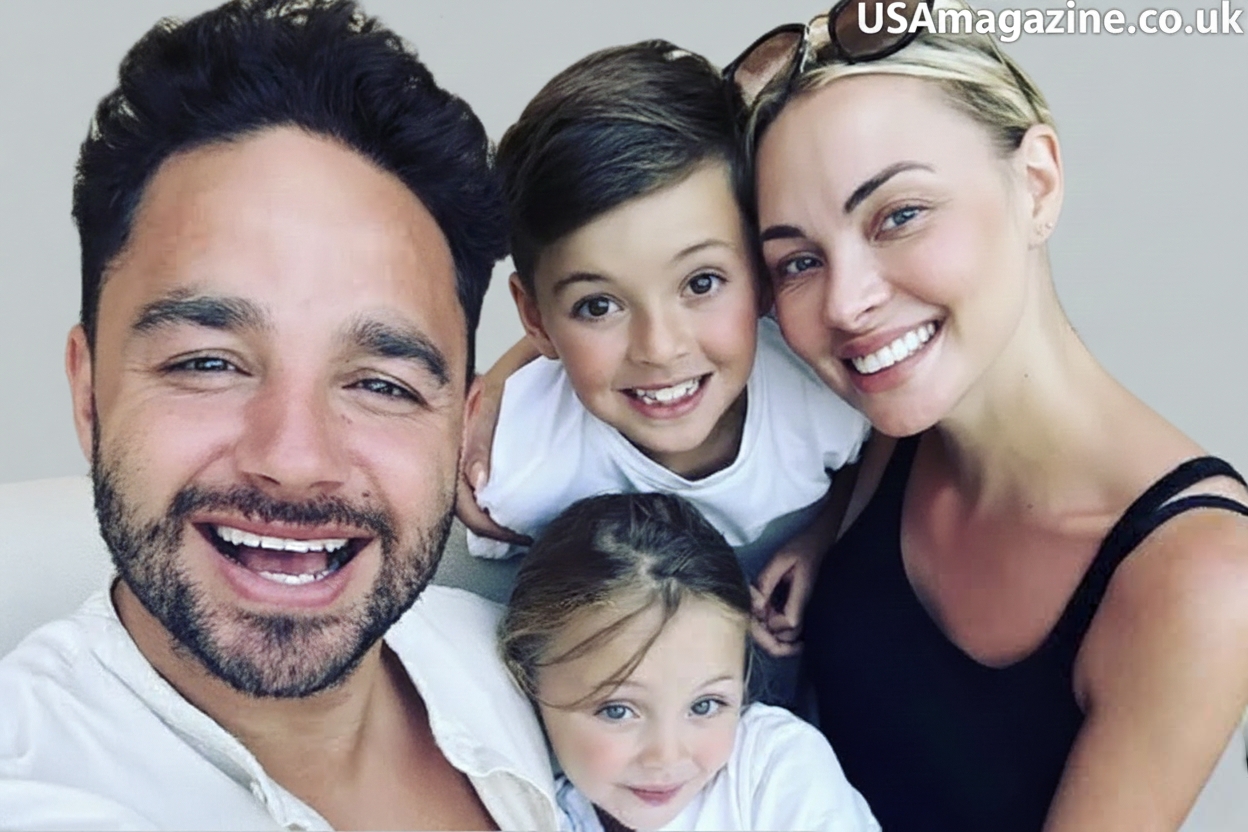
Elsie-Rose Thomas is the second child and only daughter of British television actor Adam Thomas and his wife Caroline Daly, a professional dancer and dance school owner. Through her parents’ popularity, especially Adam’s long-running roles in “Waterloo Road” and “Emmerdale”, Elsie-Rose has become a familiar face to fans who follow the family online.
Born into a family already comfortable with public life, Elsie-Rose often appears in heartfelt family posts that highlight her parents’ strong bond and their joy in raising two children. While she is not a public figure in the traditional sense, her name is frequently mentioned in entertainment and lifestyle coverage focused on Adam and Caroline’s family life.
Early Life and Birth Details
Elsie-Rose was born in May 2018, making her a young primary-school-age child whose early years have unfolded alongside her father’s continued television work and media appearances. Reports at the time noted that she arrived on 20 May, and her birth was joyfully announced by both parents through their Instagram accounts, complete with tender family photos.
In the first public images, Elsie-Rose is cradled by her mother on a sofa, with her older brother and the family dog nearby, reflecting the warm, close-knit home she was welcomed into. Adam publicly thanked Caroline for bringing their daughter into the world, underlining how emotionally significant this moment was for the couple.
Will You Check This Article: Jon Aitchison: Charli XCX’s Father, Life & Influence
Family Background and Parents
Her father, Adam Thomas, is an English actor widely recognised for his role as Adam Barton on the ITV soap opera “Emmerdale” and as Donte Charles in the BBC drama “Waterloo Road.” Beyond acting, he has also taken part in high-profile reality shows, including “I’m a Celebrity…Get Me Out of Here!” and “Strictly Come Dancing,” which increased his visibility and, in turn, public interest in his family life.
Caroline Daly, Elsie-Rose’s mother, is a professional dancer and dance teacher who runs a dance school and has built a following as a lifestyle and family-content creator on social media. Their relationship dates back to 2008, with the couple becoming engaged in 2016 and marrying in 2017, meaning Elsie-Rose was born into a long-established partnership.
Siblings and Close-Knit Home
Elsie-Rose has one older brother, Teddy, who was already known to fans through his parents’ posts before her birth. The first images of Elsie-Rose show Teddy alongside his baby sister, symbolising the beginning of a strong sibling connection that followers of the family have seen celebrated in birthday posts and family updates.
Posts from Adam and Caroline often emphasise family time, outings, and celebrations, suggesting that both children are being raised in a supportive environment that values togetherness and shared experiences. As the younger child, Elsie-Rose is frequently described in affectionate terms, highlighting the special place she holds in the family dynamic.
Public Attention and Social Media Presence
Although Elsie-Rose does not manage any public profiles herself due to her young age, she is a regular presence in content shared by her parents, particularly on Instagram. Fans often see her in photos and short videos that capture family milestones, holidays, and everyday moments, which has naturally fuelled curiosity about her personality and life.
One notable aspect of this visibility is how carefully curated the posts are, focusing on positive, joyful scenes such as birthday parties, days out, and special family occasions. This approach allows supporters to feel connected to the Thomas family while still respecting the fact that Elsie-Rose is a child who deserves privacy and protection from intrusive media attention.
Personality and Interests (As Shared Publicly)
Because she is still very young, most information about Elsie-Rose’s personality comes from the way her parents talk about her in captions and celebratory posts. In these messages, she is often described as a princess-like figure in the family, suggesting that she is cherished, playful, and imaginative.
Birthday posts hint at her love for magical, fairy-tale themes, with her parents arranging parties that reflect a princess-style celebration. While there are no detailed public statements about specific hobbies, it is reasonable to note that, with a dancer mother and actor father, she is growing up in a household where creativity, performance, and self-expression are part of everyday life.
Relationship With Her Parents
From the earliest posts after her birth, Adam and Caroline have publicly expressed deep affection and pride in their daughter, often calling her their little princess or emphasising how much joy she brings to the family. Adam’s emotional social media tributes, especially around her birth and birthdays, show a father thrilled by the chance to raise a daughter alongside his busy career.
Caroline’s posts typically highlight day-to-day motherhood, sharing glimpses of outfits, outings, and special moments with Elsie-Rose. Together, these shared updates create a picture of an involved, loving parenting style with a focus on making childhood feel magical and secure.
Ethnicity and Nationality
Elsie-Rose holds British nationality through her parents, who are both from the United Kingdom. Adam Thomas has spoken and been reported about as an English actor, while Caroline is also based in the UK, where they have built both their family and careers.
Ethnic background details for Elsie-Rose are not extensively documented, as her parents tend to focus on family experiences rather than heritage breakdowns in public posts. Given her age and her parents’ protective stance, such information is kept largely within the family, and only her general identity as part of a British celebrity family is widely known.
People also like this: Hugo Bachega: BBC Correspondent’s Life, Career, And Impact
Privacy and Media Responsibility
Even though fans are naturally curious, it is important to recognise that Elsie-Rose is still a minor, and her life is primarily that of a regular child whose parents happen to be famous. Media coverage usually reflects this, centring on light-hearted stories, cute photos, and milestone updates rather than intrusive personal details.
Respecting this boundary means avoiding speculation about private matters such as schooling, close friendships, or daily routines beyond what her parents choose to share. This careful balance allows supporters to enjoy updates about her growth without compromising her right to a normal, safe childhood.
Conclusion
Elsie-Rose Thomas is a young girl growing up in the spotlight as the daughter of English actor Adam Thomas and dancer Caroline Daly, and she has already become a favourite with fans who follow the family. While details about her life remain appropriately limited due to her age, the glimpses that are shared show a loved, celebrated child at the heart of a close, creative, and supportive family.
FAQs about Elsie-Rose Thomas
Who are Elsie-Rose Thomas’s parents?
Elsie-Rose’s parents are English actor Adam Thomas and his wife, professional dancer and dance teacher Caroline Daly. Their long-term relationship and media presence have made their family, including Elsie-Rose, well known to television and social media audiences.
When was Elsie-Rose Thomas born?
Elsie-Rose was born in May 2018, with reports and social media posts indicating that she arrived on 20 May of that year. Her birth was publicly celebrated by both parents, who shared photos and heartfelt captions to introduce her to fans.
Does Elsie-Rose Thomas have any siblings?
Yes, Elsie-Rose has an older brother named Teddy, who often appears alongside her in family photos and videos. The siblings are frequently shown enjoying birthdays and family days together, emphasising their close bond.
Is Elsie-Rose Thomas famous in her own right?
Elsie-Rose is not a traditional celebrity with independent projects, but she is well known among fans of her parents because of her regular appearances in their posts and public mentions. Her recognition comes mainly from being part of the Thomas family rather than from personal professional activity.
What is known about Elsie-Rose Thomas’s future plans?
As a young child, Elsie-Rose has no public career plans or projects, and her parents mainly present her as a happy, growing daughter enjoying family life. Any future interests or paths she follows will likely become clear only as she grows older and chooses how much, if at all, she wishes to engage with public life.
Introduction
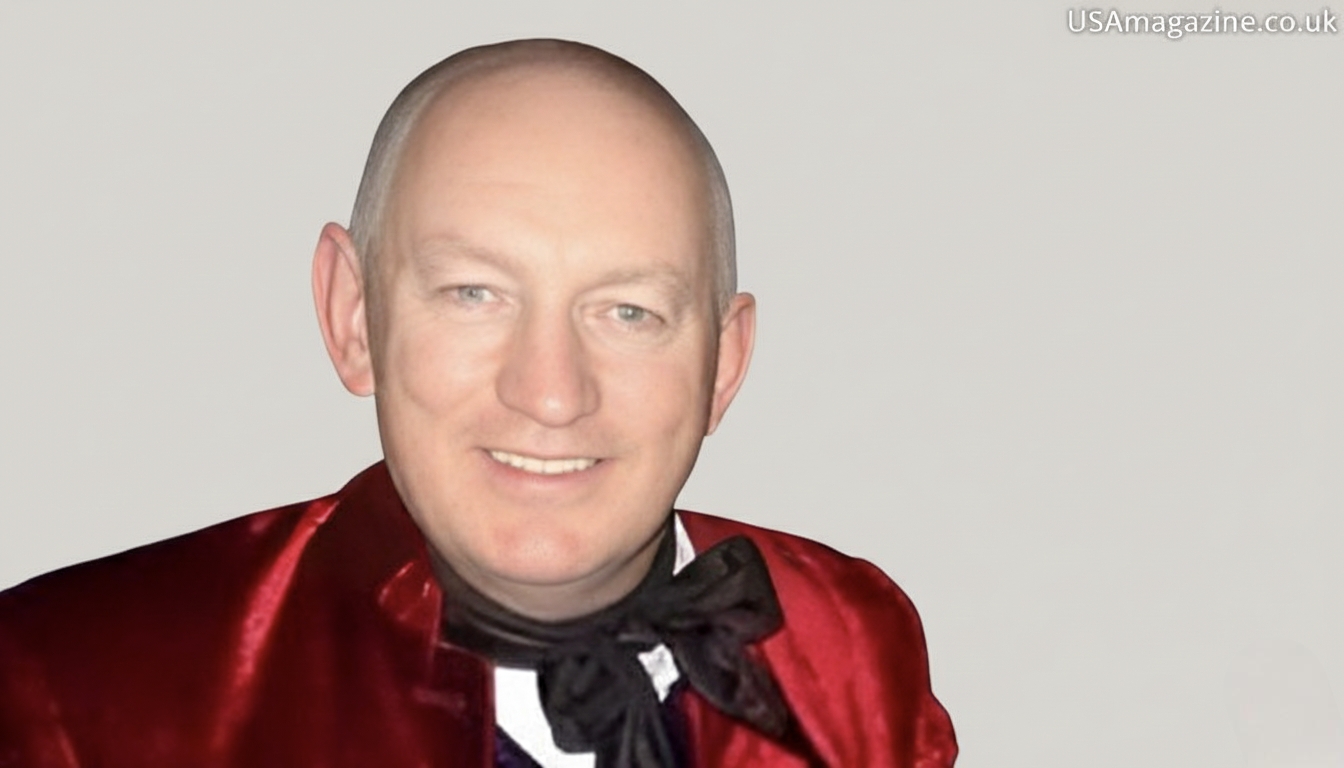
Jon Aitchison is a British entrepreneur and music‑scene professional best known as the father of global pop star Charli XCX. Unlike his famous daughter, he has spent most of his life away from cameras, quietly building businesses and booking shows while providing a creative, sometimes chaotic home that encouraged artistic risk‑taking. In recent years, growing interest in Charli’s background has pushed Jon into public curiosity, with many fans wanting to understand the man whose open‑minded parenting helped nurture one of the most innovative pop artists of her generation.
Early life and background
Public information about Jon Aitchison’s early life is limited, but available reports describe him as Scottish, with roots that tie Charli’s family heritage back to Scotland. He later settled in England, where Charli was born in Cambridge and raised in areas such as Hertfordshire, blending his Scottish background with the cultural experiences of life in southern England. This cross‑regional identity exposed his daughter to a mix of influences, from small‑town British life to the wider creative possibilities of the UK music scene.
Will You Check This Article: Hugo Bachega: BBC Correspondent’s Life, Career, And Impact
Entrepreneurial spirit and work
Jon Aitchison is frequently described as an entrepreneur, and more specifically as a show‑booker for a music venue near the family’s home in Stevenage, Hertfordshire. As a show‑booker, he would have been responsible for organizing gigs, liaising with artists, and helping plan live events, creating a professional connection to the performance world that Charli would later enter as an artist. His entrepreneurial background also signaled a preference for self‑direction and risk‑taking, values that align closely with the independent and experimental way his daughter has approached her own career.
Role in the local music scene
Working as a show‑booker placed Jon inside the ecosystem of local venues, emerging bands, and small promoters that keep grassroots music alive. This environment would have given him direct exposure to the realities of music work, from the excitement of live performance to the unpredictability of ticket sales and touring schedules. Being surrounded by musicians, rehearsals, and gigs likely made music feel like a normal part of family life, turning stages and soundchecks into everyday background rather than distant fantasies.
Personality and “mental” energy
Charli XCX has referred to her father as “mental” and “eccentric” in a fond, affectionate way, suggesting that he is energetic, unfiltered, and creatively intense rather than conventional or reserved. This kind of personality can be especially powerful for a young artist, because it shows that being unusual, loud, or unconventional is not something to hide but something to embrace. Fans often interpret these descriptions as evidence that Jon’s character helped normalize experimentation and emotional honesty within the household, giving Charli permission to be bold in both her art and her self‑presentation.
Parenting style and home environment
Accounts of Charli’s upbringing show that Jon Aitchison and his wife Shameera created a home that balanced structure with freedom, where school and responsibility existed alongside creativity and late‑night ideas. Jon’s work in live music and entrepreneurial projects meant that Charli saw adults building their own paths rather than just following traditional nine‑to‑five careers, which made the idea of pursuing music seem tangible rather than impossible. The family’s openness to creative expression, combined with their willingness to let Charli explore underground scenes and experimental pop, became a crucial foundation for her artistic identity.
Influence on Charli XCX’s early career
Jon’s indirect but powerful impact appears most clearly in Charli’s early career, when she began performing at illegal raves and small underground events while still a teenager. Growing up with a father embedded in live music likely helped her understand basic performance realities such as audiences, promoters, and stage presence long before she entered the mainstream. Even though he was not her formal manager, the environment he helped create—full of music, eccentricity, and entrepreneurial thinking—made it easier for Charli to believe that a nontraditional pop career was possible.
Family heritage and identity
Charli’s background is often described as a mix of Scottish and Indian heritage, with Jon representing the Scottish side of the family. This multicultural identity has become part of Charli’s story, but it also reflects the layered nature of Jon’s role as a father who is both rooted in his own tradition and open to the globalized culture his daughter inhabits. The blending of her father’s Scottish background with her mother’s Indian‑Ugandan history created a family narrative shaped by migration, adaptation, and cultural crossover, themes that echo the hybrid sounds and genres in Charli’s music.
Relationship with Shameera Aitchison
Jon’s life is closely linked with that of his wife, Shameera, who worked as a nurse and flight attendant and brings her own complex migration story as a woman of Indian descent born or raised in Uganda before moving to the UK. Together, Jon and Shameera raised Charli in an environment where two strong, differently rooted personalities coexisted: one entrepreneurial and music‑driven, the other caring, disciplined, and familiar with life across continents. This partnership offered their daughter both emotional grounding and a sense of global perspective, shaping how she views identity, ambition, and belonging.
Private life and low‑profile approach
Despite being increasingly referenced in interviews and fan discussions, Jon Aitchison has maintained a relatively private life, rarely giving interviews or building a public persona separate from his family. His limited media presence suggests a preference for keeping the focus on his daughter’s work rather than on his own history, even as curiosity about him continues to rise. This low‑profile approach aligns with the role of many industry insiders who shape music culture from the background, booking shows, running venues, and supporting artists while remaining largely unknown to the wider public.
Pop‑culture visibility through “Alone Together”
Jon appears in the 2021 documentary “Charli XCX: Alone Together,” which follows Charli as she creates music and navigates life during the COVID‑19 pandemic. His presence in such media projects gives fans small glimpses of his character and family dynamics, illustrating how he fits into Charli’s personal world beyond the stage. These appearances reinforce the impression of a father who is emotionally present, slightly chaotic, and deeply connected to his daughter’s creative journey, even if he is not the one grabbing headlines.
People also like this: Hugo Bachega Nationality: Brazilian-British Identity
Legacy and perception among fans
Among Charli XCX fans, Jon has become a kind of cult figure: a background character whose eccentricity and supportiveness are regularly noted in online discussions and articles. Many supporters view him as an example of how a parent can encourage unconventional careers without trying to control every step, allowing an artist to develop authenticity and originality. His influence is therefore measured less in direct business decisions and more in the emotional, cultural, and creative freedom he helped cultivate at home.
Conclusion
Jon Aitchison may not be a celebrity in the traditional sense, but his life as a Scottish entrepreneur, show‑booker, and “mental” yet supportive father has had a lasting effect on one of pop’s most adventurous artists. Through his work in the live‑music world, his readiness to embrace eccentricity, and his partnership with Shameera, he helped create the conditions that allowed Charli XCX to grow into a fearless, boundary‑pushing musician. As interest in Charli’s roots continues to expand, Jon’s story stands as a reminder that behind many groundbreaking artists is a parent whose influence is felt more in daily life and atmosphere than in front‑page headlines.
FAQs
Who is Jon Aitchison?
Jon Aitchison is a Scottish‑born British entrepreneur and music‑venue show‑booker best known as the father of pop artist Charli XCX. He has worked behind the scenes in the live‑music world while playing a major supportive role in his daughter’s life and career.
What does Jon Aitchison do for a living?
He is reported to have an entrepreneurial background and has worked as a show‑booker for a music venue near the family’s home in Stevenage, Hertfordshire. This role involves organizing gigs and working with performers, placing him directly inside the grassroots music scene.
How did Jon Aitchison influence Charli XCX?
Jon’s work in live music, his eccentric personality, and his supportive parenting helped normalize creativity and performance in Charli’s everyday life. His example showed her that unconventional, self‑directed careers were possible, reinforcing her willingness to experiment and take artistic risks.
What is Jon Aitchison’s background and ethnicity?
Available sources describe Jon as Scottish, forming the Scottish side of Charli’s mixed Scottish‑Indian heritage. His wife, Shameera, adds Indian and Ugandan roots, giving their daughter a multi‑layered cultural background.
Is Jon Aitchison active in the media?
Jon generally keeps a low profile and rarely appears in interviews, though he does feature briefly in the documentary “Charli XCX: Alone Together.” Most public knowledge about him comes from articles and interviews focusing primarily on Charli rather than on him directly.
Introduction
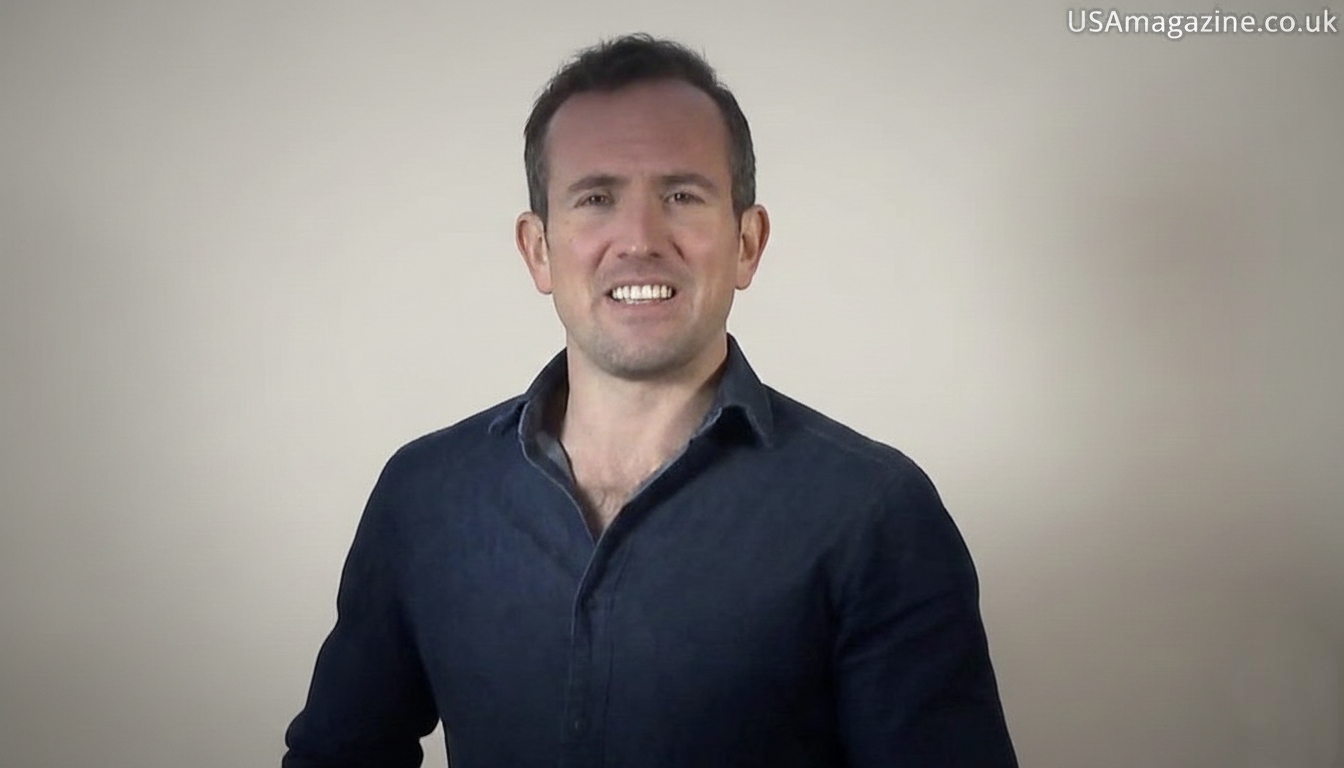
Hugo Bachega is a Brazilian‑born, British‑based journalist best known as a correspondent for BBC News, where he covers some of the world’s most complex and volatile stories. Over the years, he has reported from conflict zones, political flashpoints, and humanitarian crises, building a reputation for calm, precise, and deeply human storytelling under pressure. His journey from a student in São Paulo to a recognised BBC Middle East correspondent reflects not only professional ambition but also a strong personal commitment to giving voice to people affected by war, displacement, and political upheaval. This in‑depth profile explores his early life, education, professional milestones, reporting style, and influence on modern international journalism.
Early Life And Background
Hugo Bachega was born in São Paulo, Brazil, a city whose cultural diversity and intense political life helped shape his curiosity about the wider world. Public sources place his birth roughly between 1983 and 1993, which means he is generally estimated to be in his thirties or early forties, though his exact date of birth has not been disclosed. Growing up in Brazil, he developed a strong interest in news, politics, and storytelling, interests that naturally pushed him toward a career in journalism rather than more conventional professional paths. Exposure to national and international events, as well as Brazil’s own social and political debates, gave him an early sense of how power, policy, and people’s everyday lives intersect in real time.
Will You Check This Article: Hugo Bachega Nationality: Brazilian-British Identity
Education And Training
To turn this interest into a profession, Bachega studied media and journalism at the Pontifical Catholic University of São Paulo, one of Brazil’s respected institutions for communication studies. His academic work provided a foundation in reporting, ethics, media law, and political analysis, giving him the technical skills needed to navigate complex stories responsibly. While at university, he reportedly took part in student journalism projects and campus media, which helped him practice interviewing, newsroom teamwork, and rapid news writing under deadline. This combination of formal training and early practical experience meant that when he entered the professional world, he already understood both the craft and the responsibility that come with reporting.
First Steps At Reuters
Hugo Bachega’s professional journalism career began as an intern at Reuters in São Paulo, a major global news agency known for fast, accurate coverage of business, politics, and breaking news. At Reuters he worked on local and international stories, gaining experience in wire‑service reporting, where clarity, speed, and verification are essential. This environment taught him how to handle complex political and economic developments and condense them into concise, fact‑checked news copy read by audiences and decision‑makers around the world. The Reuters experience also exposed him to multinational editorial standards and coordination across time zones, skills that would later prove crucial once he moved into international field reporting.
Transition To BBC News
After building a foundation at Reuters, Bachega transitioned to BBC News, one of the world’s most influential public broadcasters. At the BBC he started by focusing on political stories, gradually moving into broader international coverage as his experience and profile grew. Over time he took on roles that required both on‑air reporting and deeper analysis, explaining complicated events to a global audience with varied levels of background knowledge. His ability to frame local developments within wider regional and geopolitical contexts helped him stand out inside a newsroom filled with experienced correspondents.
Key Postings And Locations
Throughout his career, Hugo Bachega has been based in several major global cities, including Cairo, London, Washington DC, Kyiv, and Beirut. These postings reflect the BBC’s trust in his ability to operate in politically sensitive and sometimes dangerous environments while maintaining editorial standards. In Cairo, he covered a period of intense upheaval in Egypt, including protests, military announcements and constitutional changes that reshaped the country’s political landscape. Later, in Kyiv and the broader region affected by the Ukraine‑Russia conflict, he reported from an active war zone, bringing audiences first‑hand accounts of missile strikes, military movements, and civilian suffering. His current base in Beirut as a BBC Middle East correspondent places him at the centre of one of the world’s most complex regions, covering issues from regional conflicts to diplomacy and social change.
Coverage Of Major Global Events
Bachega has reported on several defining events of the past decade, including the Egyptian uprisings, the Syrian refugee crisis, and the Ukraine‑Russia conflict. During the Egyptian political turmoil, he covered large‑scale protests, referendums and key military announcements, including being present in Cairo’s Tahrir Square when the army announced the removal of President Mohamed Morsi. His work on the Syrian refugee crisis highlighted the human impact of war by documenting the struggles of displaced families, their journeys across borders, and the policy debates in host countries. In the context of the Ukraine‑Russia conflict, he delivered dispatches from Kyiv and other affected areas, describing both the immediate devastation of strikes and the longer‑term humanitarian and political stakes of the war.
Live Reporting Under Fire
One of the most widely noted moments in Bachega’s career occurred in October 2022, when he was reporting live from Kyiv and explosions happened nearby during his broadcast. Despite the immediate threat and visible shock, he maintained composure and continued to provide accurate information, which many viewers and colleagues praised as an example of professionalism under extreme pressure. Such incidents highlight the physical risk that frontline correspondents accept in order to document events as they unfold and verify facts on the ground. They also underscore the emotional resilience required to witness destruction and suffering while still delivering calm, clear reporting that audiences can trust.
Focus On Human Rights And Migration
A consistent thread in Hugo Bachega’s work is his attention to human rights, migration, and the experiences of vulnerable communities caught in conflict or political turmoil. In stories about the Syrian refugee crisis, he has focused not only on numbers and policies but also on individual stories of loss, resilience, and hope, making abstract debates about borders and asylum more accessible and personal. Similar concern for ordinary people appears in his coverage of other conflicts and crises, where he often explores how decisions by governments and armed groups shape daily life for civilians. This approach fits with a broader trend in modern journalism that seeks to balance hard political analysis with narrative reporting grounded in real human voices.
Style, Accent, And On‑Air Presence
Viewers often recognise Bachega by his distinctive accent, shaped by his Brazilian origins and long experience working in English‑language newsrooms. His on‑air style tends to be measured and analytical, with clear explanations rather than dramatic delivery, even when broadcasting from chaotic scenes. Commentators have noted that this calm tone can make complex or frightening situations easier for audiences to follow, especially during fast‑moving breaking news coverage. At the same time, his reports usually preserve a sense of empathy, particularly when he interviews people who have lost homes, relatives, or livelihoods because of war or displacement.
Multilingual And Cross‑Cultural Skills
As a journalist with Brazilian origins and British professional ties, Hugo Bachega is described as British‑Brazilian and reportedly speaks multiple languages, including Portuguese, Spanish and some Arabic. These language skills, combined with his experience living in the Middle East and other regions, help him build rapport with sources and communities who might otherwise be hesitant to speak to foreign media. Being able to understand local media, official statements and informal conversations also strengthens his reporting, since he can cross‑check information and pick up nuances that monolingual reporters might miss. In conflict and crisis zones, this kind of cultural fluency can be as important as technical equipment, allowing a journalist to move more effectively and safely while gathering accurate information.
Role As BBC Middle East Correspondent
More recently, Bachega has been identified as a BBC Middle East correspondent based in Beirut, a role that involves covering a broad region from North Africa to the Gulf. From this base he tracks both sudden escalations—such as clashes, airstrikes or political assassinations—and long‑term issues like economic collapse, refugee flows, and diplomatic realignments. The position requires constant travel, close coordination with local producers and fixers, and an ability to switch quickly between live hits for television, radio appearances and in‑depth digital pieces. In doing so, he serves as one of the main bridges between events on the ground and audiences around the world who rely on BBC coverage to make sense of the region.
Awards And Professional Recognition
Public reports associate Hugo Bachega with recognition and awards for international reporting, including references to honours such as BBC journalism prizes and broader industry acknowledgements. These awards reflect his consistent work in difficult environments and his ability to deliver accurate, timely and insightful coverage under pressure. Even where specific award lists are not fully documented, his inclusion in profiles by professional organisations such as the Association of Foreign Press Correspondents indicates respect from peers and industry bodies. Invitations to speak about his career and to offer advice to younger journalists further underline his status as an established figure in the field.
Social Media And Public Engagement
Beyond television and radio, Bachega maintains a presence on platforms such as X (formerly Twitter) and Instagram, where he shares updates, behind‑the‑scenes insights and links to his reports. On X he has described his role as a BBC Middle East correspondent and occasionally offers brief context about major stories, adding depth to what viewers see on air. His social‑media activity gives audiences a more informal glimpse of life on assignment, from travel and logistics to moments of relative calm between intense news cycles. It also enables two‑way communication, letting viewers ask questions, offer feedback, or express concern when he reports from dangerous areas.
Privacy And Personal Life
Despite his public profile, relatively little verified information is available about Hugo Bachega’s private life, including details such as his exact age, marital status, or net worth. Some online profiles explicitly state that information about his date of birth, wife and income is “not known,” indicating a deliberate separation between his professional visibility and personal privacy. This choice aligns with a broader norm among many correspondents who prefer to keep family and personal details out of the spotlight, especially when they work in high‑risk environments. Instead, public attention remains focused on his reporting, professional achievements and contributions to journalism.
People also like this: Damien McKiernan: From New Rory To Cult Comedy Star
Influence On Modern International Journalism
Hugo Bachega’s career illustrates how modern international correspondents must combine traditional reporting skills with flexibility, multilingual abilities, and a strong ethical compass. By covering uprisings, wars and humanitarian crises from close range while still making complex situations understandable to global audiences, he exemplifies the role of the foreign correspondent in a 24‑hour news environment. His focus on human stories within big geopolitical events helps keep coverage grounded, reminding viewers that behind every headline are individuals whose lives are being transformed by decisions made far away. For aspiring journalists, his path from a student in São Paulo to a BBC correspondent based in major world capitals shows how dedication, training and readiness to work on the front lines can open doors to impactful, globally relevant work.
Conclusion
Hugo Bachega has built a notable career as a BBC correspondent by combining rigorous reporting, cultural fluency and a clear focus on the human consequences of political and military decisions. From his early days in Brazil and training at the Pontifical Catholic University of São Paulo to frontline assignments in Egypt, Ukraine and the broader Middle East, he has consistently sought to explain complex events to a worldwide audience with accuracy and empathy. His work highlights both the risks and the value of international journalism, demonstrating how committed correspondents can bring distant crises into sharper focus and help global viewers understand why these stories matter in their own lives.
FAQs
Who is Hugo Bachega?
Hugo Bachega is a Brazilian‑born, British‑based journalist who works as a correspondent for BBC News, known for covering major global events, conflicts and humanitarian crises.
What is Hugo Bachega’s role at the BBC?
He serves as a correspondent for BBC News and has been identified as a Middle East correspondent based in Beirut, reporting on political developments, conflicts and regional issues.
Where is Hugo Bachega from originally?
He is originally from São Paulo, Brazil, and later built his career in international journalism through roles at Reuters and the BBC.
What major events has Hugo Bachega covered?
Bachega has covered the Egyptian uprisings, the Syrian refugee crisis, the Ukraine‑Russia conflict and other significant political and humanitarian events.
Is Hugo Bachega’s exact age or date of birth known?
Public sources estimate his age to be between 30 and 40, but his exact date of birth has not been disclosed.
-
 Biography2 days ago
Alex Aljoe: Multilingual Star Of Sports Media
-

 Celebrity2 days ago
Alexander Kutner: A Life Shaped by Legacy, Ambition, and Privacy
-

 Lifestyle2 days ago
ROX.com Premium Products Catalog – Your Ultimate Shopping Destination
-
 Celebrity2 days ago
Nikki Hakuta: Life, Family, and Inspiration Behind Ali Wong’s Daughter
-

 Celebrity2 days ago
Ben Shephard Wife Illness: Facts, Journey, and Family Strength
-

 Celebrity2 days ago
Maia Lafortezza: Fortress of Modern Digital Creativity
-

 Celebrity2 days ago
Patrick Christys Salary – What He Likely Earns as a GB News Star
-

 Celebrity2 days ago
Michelle Gumbel: A Quiet Life Beyond the Spotlight