Business
Does Mary Nightingale Have Cancer? Real Truth About Her Health

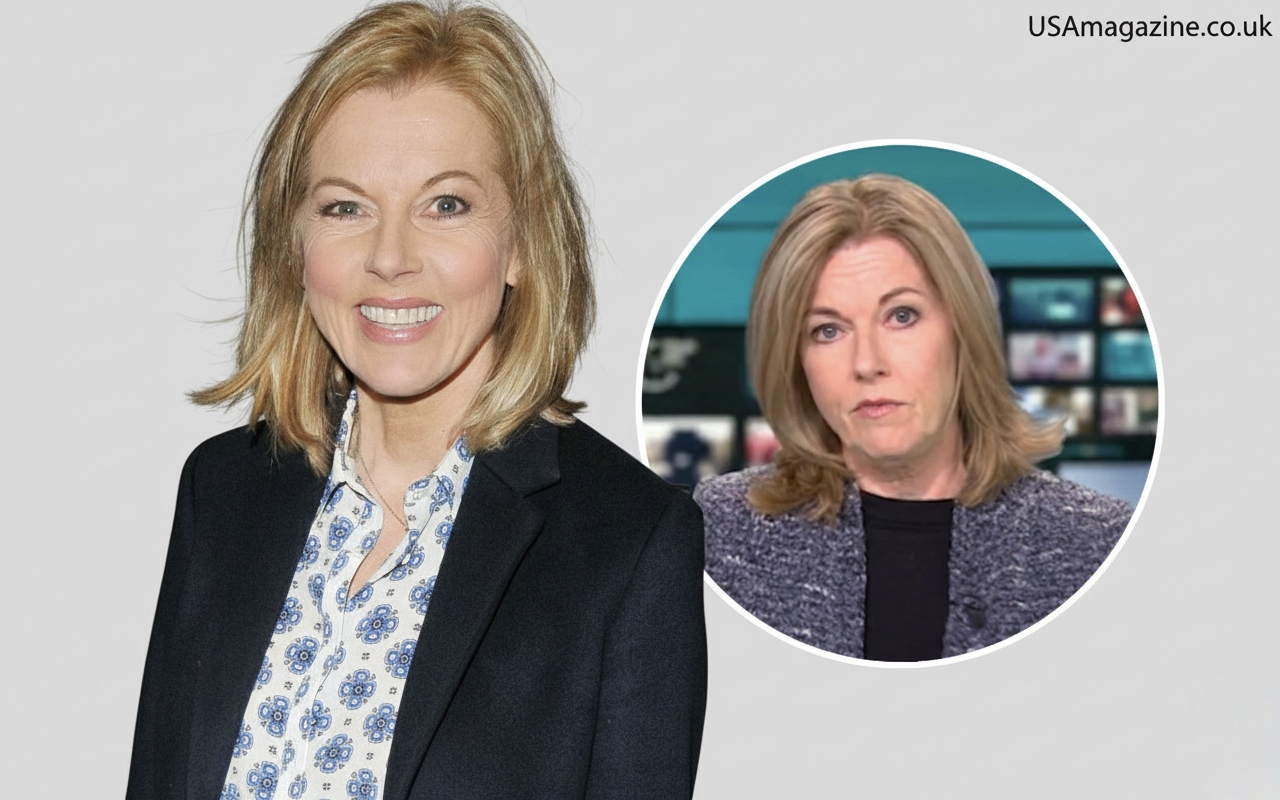
Mary Nightingale has never publicly stated that she has cancer, and there is no reliable evidence that she is undergoing cancer treatment. Most available information points instead to long‑term voice and throat strain related to her demanding broadcasting career, not a diagnosed cancer.
Does Mary Nightingale Have Cancer?
Rumours about Mary Nightingale having cancer have circulated online for years, largely because viewers noticed changes in her voice, such as hoarseness and strain during some broadcasts. However, reputable reports and specialist articles focusing on her health consistently state that doctors ruled out serious conditions such as throat cancer after detailed examinations.
These checks reportedly included scans and specialist assessments of her vocal cords, all of which came back negative for cancer or other life‑threatening disease. As a result, there is no confirmed medical or public statement to support claims that Mary Nightingale has cancer, and current coverage stresses that such speculation is unfounded.
Will You Check This Article: Elsie-Rose Thomas: Early Life, Family, Biography
Mary Nightingale’s Voice And Throat Issues
Early Concerns About Her Voice
Viewers first started to notice subtle changes in Mary Nightingale’s voice in the early 2000s, when her speech sometimes sounded huskier or more strained than usual. Over time, these issues became more noticeable, with occasional moments where she appeared to struggle to project clearly while reading the news.
Social media users and TV audiences began to discuss these changes, which led to speculation that she might have a serious throat condition or even cancer. Because there was little official information at the time, rumours spread more quickly than facts and created unnecessary concern about her health.
Medical Checks And Ruling Out Cancer
Concerned about her persistent hoarseness and voice fatigue, Mary Nightingale reportedly sought professional medical advice from specialists. Doctors carried out thorough investigations, including scans and vocal cord examinations, specifically to identify or exclude serious problems such as throat cancer or nodules.
These medical tests did not find any evidence of cancer, and her condition was ultimately described as a non‑life‑threatening issue linked to vocal strain rather than a malignant disease. Health‑focused reports that discuss her case emphasize that this clear medical verdict is the main reason experts say cancer rumours are inaccurate.
Stress‑Related Vocal Strain
After extensive checks, the main cause of Mary Nightingale’s voice problems was attributed to stress‑related vocal strain rather than cancer. Years of working in live broadcasting, under tight deadlines and constant public attention, took a toll on the muscles around her throat and voice box.
When people experience high stress, the muscles in the neck and throat can tighten, and over time this tension can lead to hoarseness, reduced vocal power, and chronic irritation. For a television presenter who relies on clear speech every day, this kind of strain can be career‑threatening even if it is not life‑threatening, which explains why she took it seriously and sought treatment.
How She Managed Her Health Challenges
Private Struggles In A Public Job
Mary Nightingale chose for a long time to deal with her throat and voice problems privately, rather than turning her health into a headline. She continued to present programmes on ITV, adjusting her workload where possible and using vocal rest and other coping strategies to manage symptoms.
This approach is common among public figures, who often prefer to keep health matters away from media speculation until they fully understand their condition. In Mary’s case, the decision reflected both professionalism and a desire to focus on her work rather than on personal medical issues, even as audiences noticed the strain in her voice.
Treatment, Vocal Therapy And Recovery
Her road to recovery involved a mixture of medical support, vocal therapy, and lifestyle changes aimed at protecting her voice. She is reported to have worked with speech and vocal coaches who guided her through exercises that reduce tension, improve breathing support, and strengthen vocal endurance.
These techniques, similar to those used by singers and actors, help rebuild vocal resilience and prevent future damage from overuse or stress. Alongside treatment, she made practical adjustments such as allowing more rest for her voice and managing stress levels more actively, which together contributed to her improved vocal health.
Mary Nightingale’s Current Health And Career
Continuing As A Leading News Presenter
Despite earlier health concerns, Mary Nightingale remains a prominent figure at ITV and continues to present the ITV Evening News. Her long tenure, stretching back to 2001 on the flagship programme, shows that she has maintained the stamina and professional presence required for one of British television’s most demanding news roles.
Awards and professional recognition, including multiple honours as Newscaster of the Year, underline that she is still seen as a trusted and authoritative broadcaster. Her ongoing visibility on screen also strongly suggests that any past vocal issues are being successfully managed and are not currently preventing her from working at a high level.
Speaking Out About Pressures And Misinformation
In recent years, Mary Nightingale has occasionally spoken about the pressures that come with life in front of the camera, including issues such as stress, image manipulation, and online misinformation. She has publicly condemned deepfake content and misused images of her, highlighting how digital manipulation can damage reputations and fuel false narratives.
This stance indirectly relates to health rumours, because unverified online claims about illness can be just another form of misleading content that distorts the truth. Articles that examine her “illness” story stress the importance of distinguishing between speculation and verifiable facts, especially when discussing serious topics like cancer.
Why Cancer Rumours Persist
Misreading Visible Symptoms
One reason rumours about Mary Nightingale having cancer persist is that viewers often equate noticeable changes in a public figure’s appearance or voice with serious illness. In her case, hoarseness, occasional voice loss, and visible effort to speak on air led some people to assume the worst without medical confirmation.
Because television news is highly visible and familiar, even small changes in a presenter’s performance can trigger widespread discussion and concern. Without clear information, audiences may fill the gaps with guesses or repeat unverified claims, which then appear in social media posts and blogs that further amplify the rumours.
People also like this: Jon Aitchison: Charli XCX’s Father, Life & Influence
Online Speculation And Health Clickbait
The modern online environment also plays a major role in spreading unsupported health stories about celebrities and journalists. Some websites and social posts use sensational language about “illness” or “health battles” to attract clicks, even when the underlying information is limited or speculative.
With Mary Nightingale, this pattern can be seen in content that talks about her “mystery illness” or “health struggles” while admitting that there is no confirmed serious diagnosis. Such material often blurs the line between minor, manageable medical issues and life‑threatening conditions, which keeps the cancer rumour alive despite clearer information to the contrary.
Conclusion
There is no trustworthy evidence that Mary Nightingale has cancer, and available reporting indicates that doctors ruled out serious diseases such as throat cancer after detailed testing. Her long‑running voice and throat problems have been linked to stress‑related vocal strain and the intense demands of live news broadcasting, not to any confirmed cancer diagnosis.
Today she continues to front ITV’s Evening News, remaining a respected and award‑winning broadcaster whose career has endured for decades. For readers and viewers, the most balanced position is to treat cancer rumours as speculation and rely instead on verified reports, which consistently describe her condition as non‑life‑threatening and under control.
FAQs
Does Mary Nightingale have cancer?
No, there is no confirmed information that Mary Nightingale has cancer, and medical assessments reported in reputable sources state that serious conditions such as throat cancer were ruled out.
What illness does Mary Nightingale have?
Reports describe Mary Nightingale’s health issue as stress‑related vocal strain, which caused hoarseness, voice fatigue, and occasional loss of voice but was not classified as a life‑threatening illness.
Why does Mary Nightingale sound hoarse sometimes?
Her hoarseness has been linked to long‑term strain on her voice from years of live broadcasting under pressure, which tightened throat muscles and affected vocal performance rather than indicating cancer.
Is Mary Nightingale still presenting ITV Evening News?
Yes, Mary Nightingale continues to present the ITV Evening News and remains one of the channel’s leading newsreaders, reflecting that her health is stable enough for regular broadcasting duties.
What has Mary Nightingale said about rumours and online misuse of her image?
She has spoken out against issues like deepfakes and the misuse of her likeness, expressing anger at digitally altered content and highlighting the broader problem of false or misleading online material.

-

 Biography2 days ago
Alex Aljoe: Multilingual Star Of Sports Media
-

 Celebrity2 days ago
Alexander Kutner: A Life Shaped by Legacy, Ambition, and Privacy
-

 Lifestyle2 days ago
ROX.com Premium Products Catalog – Your Ultimate Shopping Destination
-

 Celebrity2 days ago
Nikki Hakuta: Life, Family, and Inspiration Behind Ali Wong’s Daughter
-

 Celebrity2 days ago
Why Robert Peston Is Not On TV Tonight: Real Reasons Behind His Absence
-

 Celebrity2 days ago
Ben Shephard Wife Illness: Facts, Journey, and Family Strength
-

 Celebrity3 days ago
Jennifer Hageney: Crafting a Quiet Legacy in Flowers and Family
-

 Celebrity2 days ago
Patrick Christys Salary – What He Likely Earns as a GB News Star